The Lost Art of True Rest: Reclaiming Deep Restoration in a Productivity-Obsessed World
In an era where "hustle culture" is glorified and busyness is often worn as a badge of honor, a fundamental human need has become radical: the art of true, deep rest. We confuse rest with cessation—scrolling through social media, binge-watching television, or the exhausted collapse at the end of an over-scheduled day. https://masöz Yet, these activities often leave us feeling just as drained. Real rest is not the absence of work; it is the presence of restoration. It is an active, intentional, and skilled practice that is as vital to our well-being as nutrition or exercise. For those investing in services like in-home wellness, understanding this distinction is what transforms a treatment from a temporary fix into a cornerstone of a sustainable, balanced life.
Beyond Collapse: Defining the Spectrum of Rest
Dr. Saundra Dalton-Smith, in her work on rest deficits, identifies seven distinct types of rest: physical, mental, emotional, social, sensory, creative, and spiritual. A feeling of chronic exhaustion often means we are deficient in one or more of these areas, and no amount of sleep alone can solve it. The person who is mentally exhausted from constant decision-making needs different restoration than the one who is emotionally drained from caregiving, or the one who is creatively barren.
Physical Rest: This includes both passive (sleep, napping) and active forms (yoga, stretching, massage, conscious relaxation).
Mental Rest: Quieting the "monkey mind." This requires intentional breaks from problem-solving, planning, and consuming information.
Sensory Rest: A deliberate reduction of input from screens, noise, bright lights, and notifications. This is the rest of darkness, silence, and softness.
Emotional Rest: The freedom to be authentic, to not have to perform or please others. It is found in spaces where you are not required to manage someone else's feelings.
Social Rest: Nourishing time alone, or with people who recharge rather than deplete you. It's about the quality of connection, not the quantity.
Creative Rest: Allowing the mind to wander, to be inspired by beauty (art, nature, music) without pressure to produce.
Spiritual Rest: A sense of belonging, purpose, and connection to something larger than oneself, often accessed through meditation, prayer, community https://masöz service, or time in nature.
Ritualizing Restoration: Building a Personal Rest Practice
Understanding these categories is the first step. The next is to move from theory to practice, to ritualize rest with the same intentionality we apply to our work. This is where creating a personal rest practice becomes essential.
Diagnose Your Deficit: Tune into your exhaustion. Are you irritable (emotional/spiritual)? Can't turn off your thoughts (mental)? Overstimulated by noise and light (sensory)? Your specific feelings are clues to what type of rest you most urgently need.
Schedule "Rest Blocks": Treat rest as a non-negotiable appointment. Block 20-30 minutes in your calendar for a specific type of restoration. This could be a "sensory rest block" with no screens and soft lighting, or a "creative rest block" spent doodling or walking in a park without an agenda.
Create Transition Rituals: We cannot jump from high-stress mode to deep rest. Build a short ritual to signal to your nervous system that it is safe to downshift. This could be five minutes of deep breathing, brewing a cup of herbal tea mindfully, lighting a candle, or changing into comfortable clothes. This is a powerful way to bookend a professional in-home treatment, extending its calming effects.
Embrace "Micro-Rests": Restoration doesn't always require an hour. A 60-second practice of closing your eyes and placing a hand over your heart while taking three deep breaths is a potent form of emotional and mental rest. A two-minute gaze out the window at a tree is creative and https://masöz sensory rest.
The Synergy of Professional Care and Personal Practice
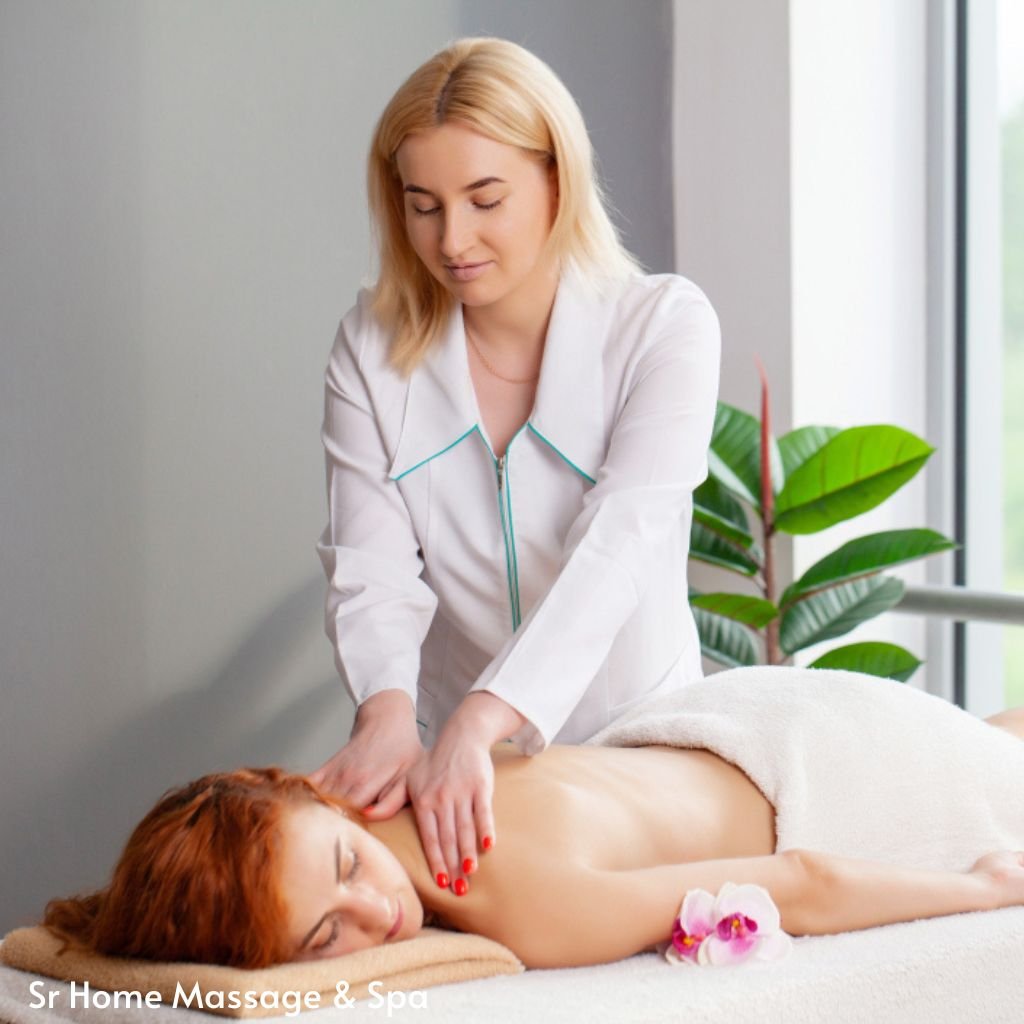
This is where a service like a professional in-home massage becomes more than a luxury—it becomes a masterclass in and a catalyst for deep rest. It is a scheduled, sacred container for multiple forms of restoration simultaneously:
Physical Rest through skilled touch.
Sensory Rest in your controlled, familiar environment.
Mental Rest as you are guided to focus only on breath and sensation.
Emotional Rest in the non-judgmental, therapeutic space where you have no responsibilities.
The true value lies not just in the 60 minutes of treatment, but in how it resets your baseline. It is a tangible demonstration of what deep restoration feels like in your body and mind. This experience becomes a North Star, a somatic memory you can reference. It teaches you what "calm" truly feels like, making it https://masöz easier to recognize its absence and to seek it out through your personal practices.
Redefining a Life Well-Lived
To master the art of true rest is to engage in a quiet rebellion against a culture that equates worth with output. It is to assert that our value is inherent, not contingent on perpetual productivity. It requires us to view rest not as a reward for exhaustion, but as the essential fuel for a meaningful, creative, and resilient life.
By diagnosing our rest deficits, ritualizing restoration, and integrating profound experiences of care—like an in-home wellness session—we stop merely managing our fatigue and start cultivating our vitality. We learn that the most productive thing we can do for our work, our relationships, and our inner selves is sometimes to be profoundly, skillfully, and unapologetically at rest. In reclaiming this lost art, we don't just recover from our lives; we begin to fully inhabit them.